AlloDerm and other acellular dermal matrices (ADMs) derived from cadaveric sources represent a significant advancement in reconstructive and cosmetic surgery. These biologically derived materials are extensively used to enhance the outcomes of various surgical procedures, offering numerous benefits in terms of tissue integration and healing.
AlloDerm is a type of acellular dermal matrix (ADM) derived from donated human skin. Its creation involves removing all cellular components from the dermis, leaving behind a scaffold composed of collagen, elastin, and other essential proteins. When implanted into the body, this scaffold provides a structure that supports cellular repopulation and vascularization. The removal of cellular components minimizes the risk of immune rejection, making AlloDerm a highly compatible material for various reconstructive procedures.
Dermal matrices, including those derived from cadaveric sources, share a similar concept. These matrices are biologically derived scaffolds used in tissue engineering and regenerative medicine. They can be sourced from human or animal tissues and are processed to remove cells while preserving the extracellular matrix. This matrix serves as a framework for tissue regeneration and repair, promoting integration with the patient’s own tissues.
AlloDerm and dermal matrices represent significant advancements in the field of reconstructive and regenerative medicine. Their ability to support tissue regeneration, promote healing, and integrate seamlessly with the patient’s own tissues makes them invaluable in a variety of surgical applications, including breast reconstruction. The capsule integrates with the scaffold alloderm and thus must always be removed along with the entire capsule and implant as one system for optimal postoperative recovery from breast implant illness. At Exectutive Plastic Surgery Dr. Shaher W. Khan can answer any questions you may have.
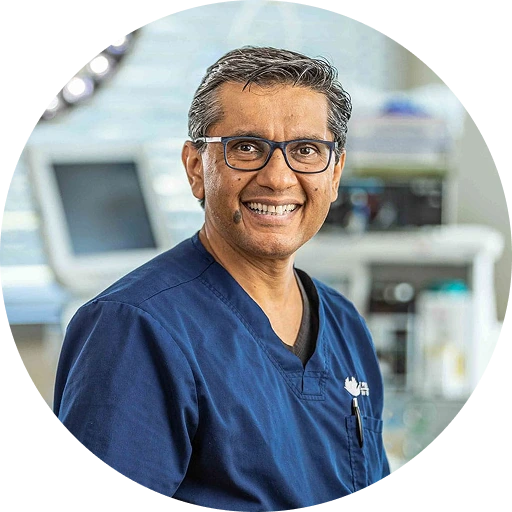
About the Author
Dr. Shaher W. Khan, MD
July 12, 2024
Learn more about breast implant illness, breast implant removal, or meet Dr. Shaher Khan.