Home » Cosmetic Surgery » Hidradenitis Treatment in Michigan and California
Hidradenitis suppurativa (HS) causes painful lumps, abscesses and draining tunnels under the skin of the armpits, groin, buttocks and other skin folds. When flares keep coming back in the same place despite antibiotics or other medicines, surgery can remove the diseased tissue. Dr. Shaher W. Khan, MD offers hidradenitis treatment at our Detroit area office in Bloomfield Township and our Northridge office in California.
Table of Contents
You may be a candidate for surgery if painful nodules, abscesses or draining tunnels keep returning in the same area even though you have tried antibiotics, other medicines or a biologic prescribed by your dermatologist. Many patients have been through repeated lancing in an urgent care or emergency room, only to have the same spot flare again weeks later.
Surgery is usually considered for moderate to severe disease (Hurley stage II or III), where scarring and tunnels have formed under the skin. Good candidates are healthy enough for an outpatient procedure, are willing to stop smoking, and can keep up with wound care during healing. Surgery works best alongside your ongoing medical treatment, so we are happy to coordinate with your dermatologist.
Hidradenitis suppurativa is a long-term inflammatory skin condition that starts in the hair follicles. Blocked follicles become inflamed and form deep, tender lumps that can rupture, drain and heal with thick scars. Over time, the lumps can join together under the skin and form tunnels (sinus tracts) that keep the area inflamed.
HS is not contagious and it is not caused by poor hygiene. It most often appears where skin rubs against skin, such as the armpits, groin, inner thighs, buttocks and under the breasts. Genetics, hormones, smoking and weight can all play a role in how often flares happen and how severe they become.
Medicines can calm flares, but they cannot remove tunnels and scar tissue that have already formed. That is where surgery comes in. The goal Dr. Shaher W. Khan, MD sets with every patient at our Detroit area office is to remove the diseased tissue, close or reconstruct the area so it heals well, and help you feel comfortable in your own skin again.
Hurley stage I means single or a few separate lumps or abscesses, without tunnels or scarring. Medical treatment and small in-office procedures are usually the first step.
Hurley stage II means abscesses that keep coming back, with early tunnels and scarring in one or more areas. Deroofing or a limited excision of the affected area is often recommended.
Hurley stage III means widespread areas of connected tunnels, abscesses and scars. Wide excision of the affected skin, followed by reconstruction, gives the best chance of long-term control.
Your surgeon will examine each area and decide which approach fits your stage, your health and your goals. Many patients have different stages in different parts of the body, so your treatment plan may combine more than one procedure.
Incision and drainage opens a painful abscess to relieve pressure. It brings quick relief, but because the tunnel underneath is left behind, the lump usually returns.
Deroofing removes the skin covering a tunnel or abscess so the area can heal from the base up. It keeps healthy skin around it and works well for single tunnels and smaller areas.
Wide local excision removes all of the diseased skin and tissue in an area, with a margin of healthy skin around it. It has the lowest chance of the disease coming back in the treated area and is the standard for advanced disease.
Closure and reconstruction depend on the size of the area removed. Small areas may be closed with stitches or left to heal on their own. Larger areas may need a skin graft or a local flap, where nearby skin is moved to cover the wound. These are the same techniques Dr. Khan uses in scar revision and reconstructive burn surgery.
Dr. Khan and our team will walk you through exactly how to prepare for hidradenitis surgery in Detroit or Northridge. Bring a list of every medication you take, including antibiotics, biologics and blood thinners, so we can tell you which to continue and which to pause. If you smoke, stopping before surgery helps your wounds heal and lowers the chance of new flares.
Because surgery for HS is usually covered as medically necessary, our office can help gather the records your insurance company needs for pre-authorization. Plan for someone to drive you home and help you for the first few days, and set up a clean, comfortable space where you can change dressings. Feeling nervous is normal. Write down your questions and bring them to your consultation.
Recovery depends on the size and location of the area treated and on how it was closed. Small areas closed with stitches often heal in about two weeks. Larger areas that are left to heal on their own, or covered with a skin graft or flap, can take several weeks.
You will be shown how to care for your wound and change your dressings. Expect some drainage, tenderness and swelling at first. It is always wise to have someone with you for the first few days, especially when the armpits or groin were treated and some movements are uncomfortable.
Rest, drink plenty of water and eat well, because your skin needs fuel to heal. Light walking is encouraged, but avoid heavy lifting, stretching the area and strenuous exercise until Dr. Khan clears you. Keep taking the medicines your dermatologist prescribes, since they help prevent new flares in other areas.
If, for any reason, you have questions about your recovery, if the wound shows increasing redness, swelling or bleeding, if you develop a fever, or if you simply feel that something is not right, call our office right away at (734) 419-1615.
Patients scheduled for hidradenitis surgery in Detroit must wear compression stockings to promote healthy circulation and support healing.
Please note:
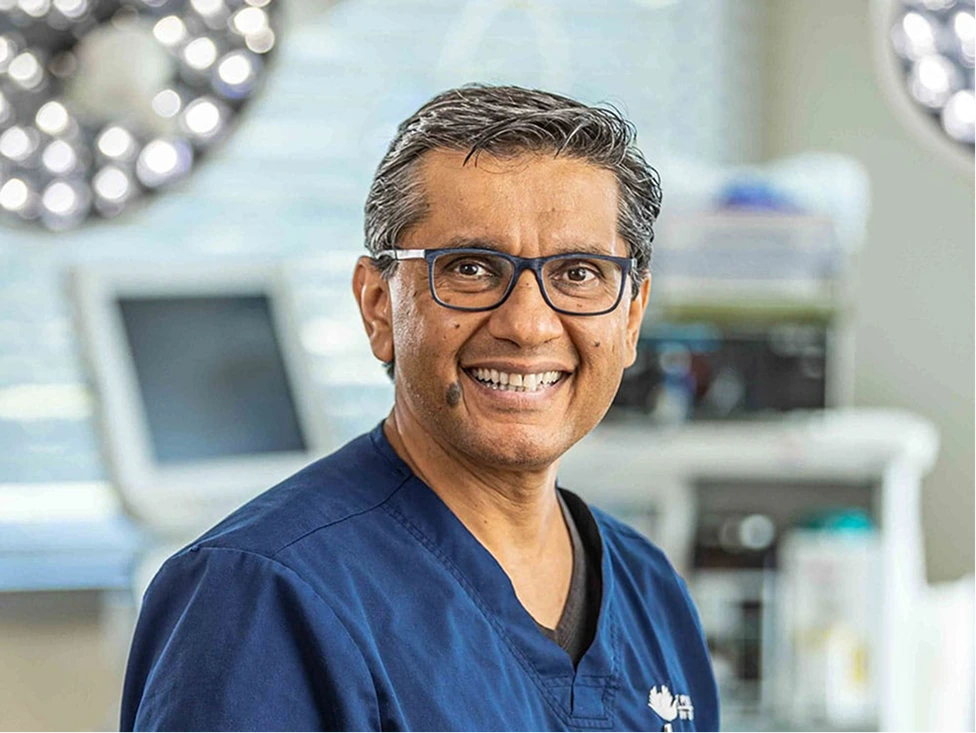
Living with hidradenitis suppurativa can be exhausting, and many patients wait years before learning that surgery is an option. You do not have to keep managing the same painful flares on your own. Ask lots of questions and make sure you understand each option, its recovery and its chance of success before you decide.
An initial consultation with Dr. Shaher W. Khan, MD is a chance to talk through your history, the areas that bother you most, and the treatments you have already tried. Dr. Khan will explain which procedure fits your stage of disease and what recovery will look like. Call (734) 419-1615 or request a consultation at our Michigan or California office.
Your journey back to health and confidence starts here. Schedule a private, one-on-one consultation with Dr. Khan to discuss your symptoms, learn about The Khan Procedure™, and receive a clear, honest plan for your care.