Breast self-exams are an essential component of women’s healthcare routine, empowering individuals to monitor their breast health and detect any abnormalities early on. By conducting regular self-exams, you take an active role in your well-being, potentially identifying changes that may require further medical attention. In this article from Executive Plastic Surgery, we discuss the importance of breast self-exams, how to perform them effectively, and when to seek professional evaluation.
Breast self-exams play a vital role in the early detection of breast cancer and other breast-related conditions. Detecting abnormalities at an early stage significantly increases treatment options and improves the prognosis. By familiarizing yourself with the normal look and feel of your breasts, you can identify any changes, such as lumps, skin dimpling, or nipple discharge. Breast self-exams are not a substitute for mammograms or clinical examinations, but they complement these screening methods, allowing you to proactively identify potential issues.
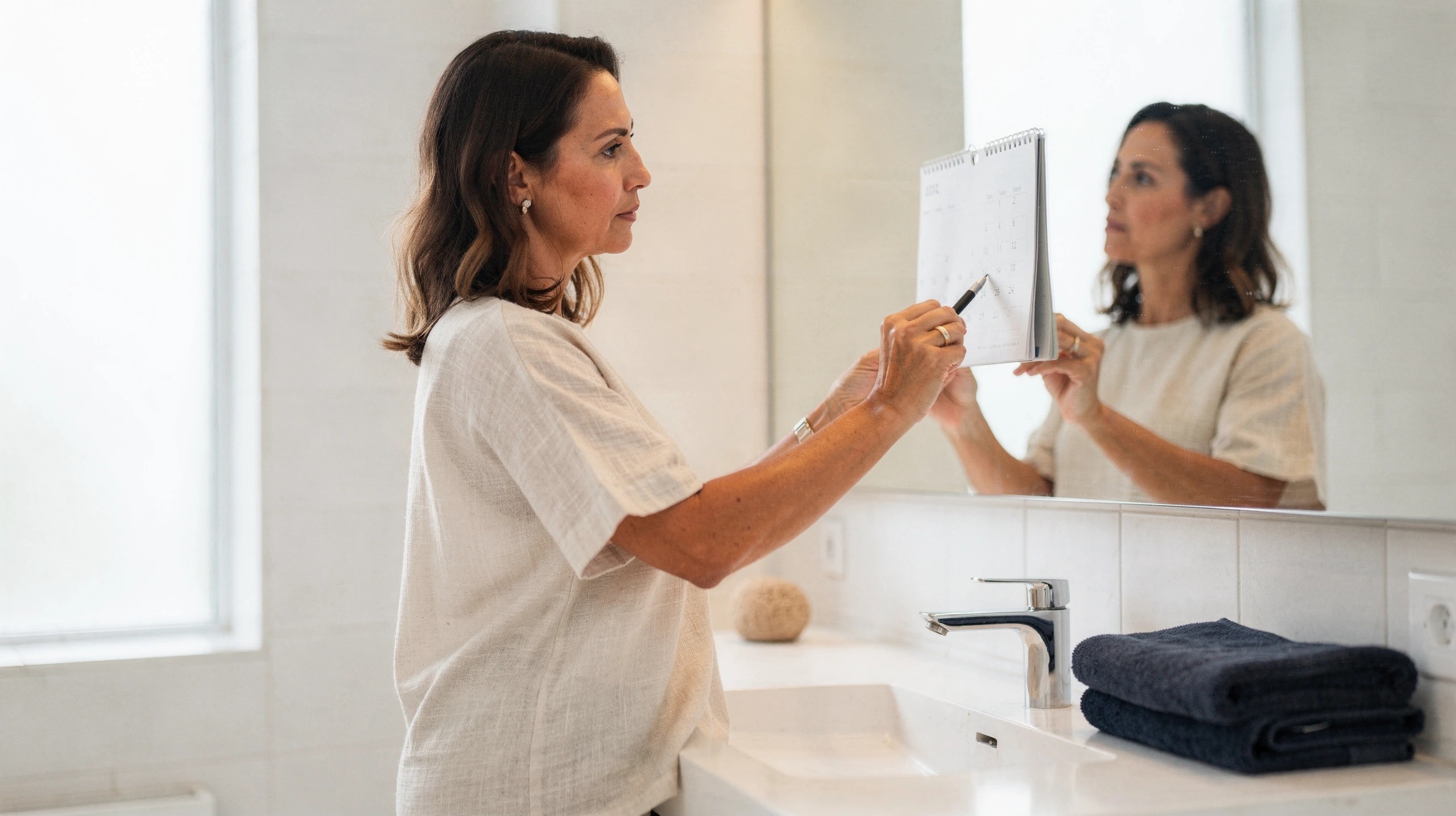
It is recommended to perform breast self-exams once a month. Ideally, conduct the exam a few days after your menstrual period when your breasts are less likely to be swollen or tender. For women who no longer menstruate, choose a specific day each month to perform the exam.
While most changes detected during breast self-exams are benign, it’s crucial to consult a healthcare provider if you notice any of the following:
If you’re unsure about any changes or have concerns about your breast health, don’t hesitate to schedule a consultation with the experts at Executive Plastic Surgery for an evaluation. Our team of experienced professionals can offer comprehensive assessments and further diagnosis, helping you identify and treat potential breast concerns at the earliest stage possible.

About the Author
Dr. Shaher W. Khan, MD
March 25, 2024
Learn more about breast implant illness, breast implant removal, or meet Dr. Shaher Khan.